
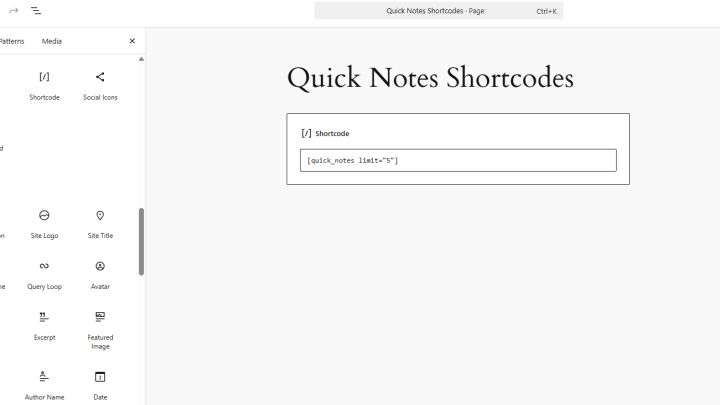
Building a WordPress Plugin: Frontend Display with Shortcodes
In our previous article, Implementing AJAX for Dynamic Content, we added AJAX note submissions with JavaScript, a PHP handler and server-side validation. The admin interface can…
In our previous article, Implementing AJAX for Dynamic Content, we added AJAX note submissions with JavaScript, a PHP handler and server-side validation. The admin interface can…
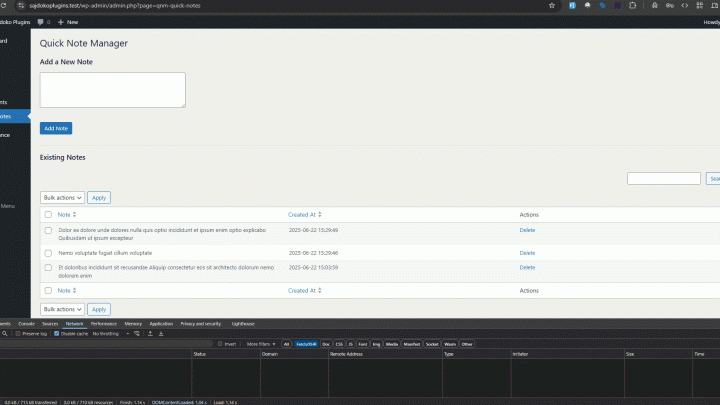
In the previous article, Building a WordPress Plugin: Creating the Admin Dashboard Page, we built the admin interface. Adding a note currently reloads the whole page.…
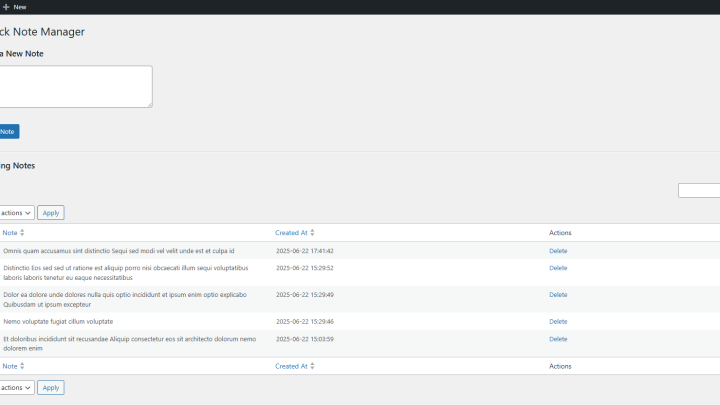
This guide continues the development of the Quick Note Manager plugin. The first article, Building a WordPress Plugin: A Step-by-Step Guide, established the plugin’s foundation, including…
A premade WordPress template gives you a design, but its SEO setup still needs checking. This guide covers page titles, headings, content, speed and the template…
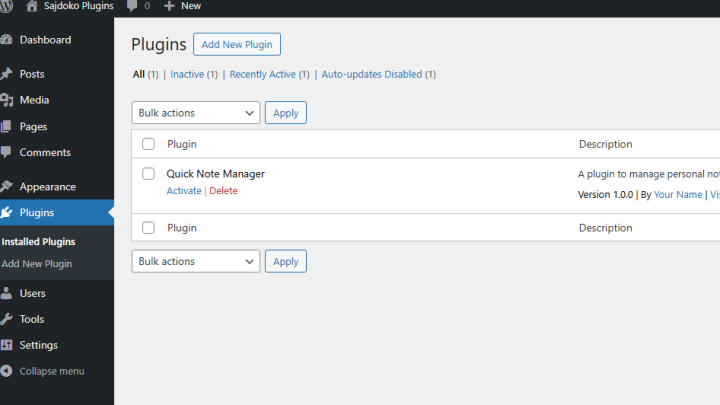
This series introduces WordPress plugin development through a practical project: a Quick Note Manager. We’ll build its database, admin page, AJAX submission and public shortcode, explaining…
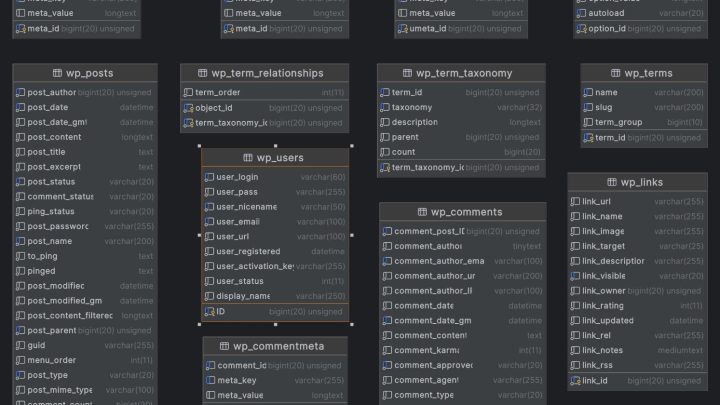
Slow database queries and unnecessary stored data can affect a WordPress site’s response time. This guide explains how to find those problems and assess changes. We’ll…

Role-based restrictions control who can view particular content. This guide uses WordPress roles and custom code to restrict posts, pages and other content. 1. Why Role-Based…
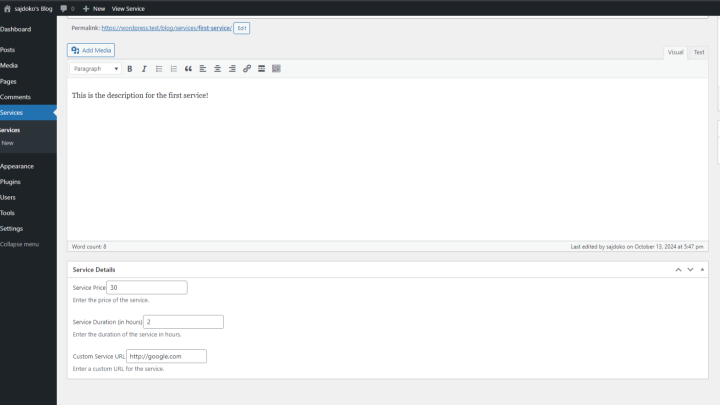
A Services custom post type keeps service entries separate from posts and pages. This guide adds fields for price, duration and related information through custom meta…
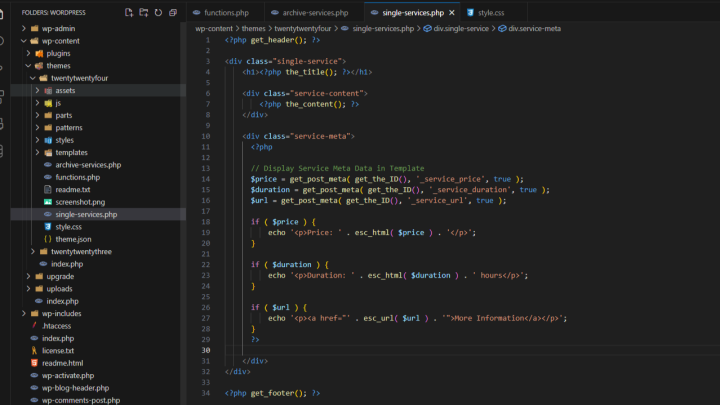
WordPress allows you to organize and display content in many different ways. One powerful feature is custom post types, which enable you to manage specific types…
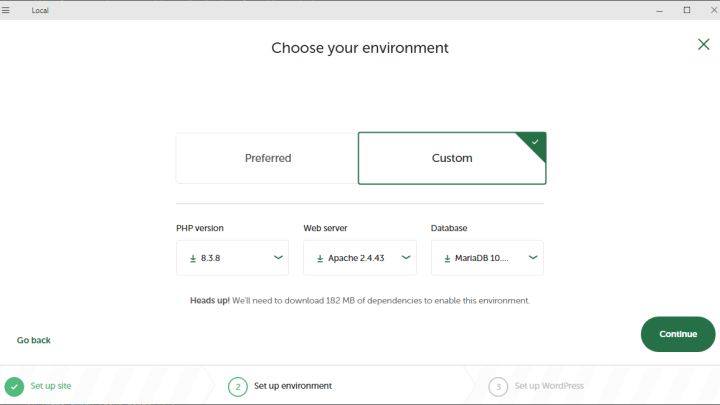
These five tools cover common WordPress development tasks, including local testing, code editing and version control. 1. Local Development Environment: Local by Flywheel When you’re working…